
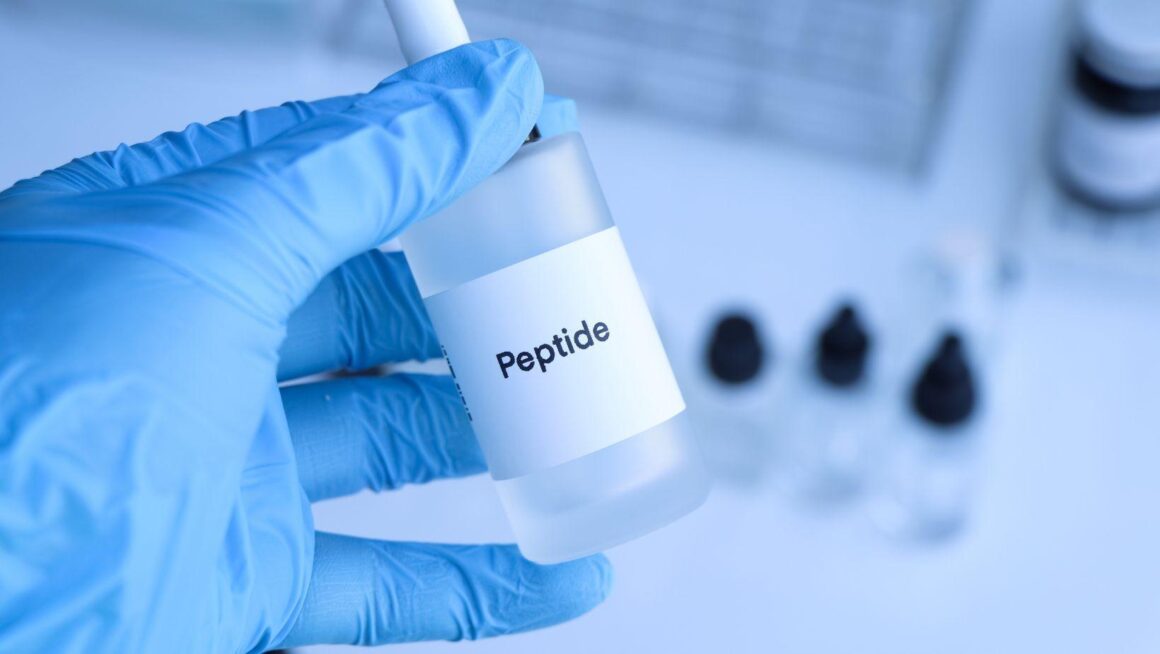
Modern sports science has moved far past simple post-workout nutrition to more advanced cellular recovery approaches. As athletes and fitness fans strive to reach new levels of physical performance, researchers turn to bioactive compounds with specific interactions with natural tissue repair mechanisms. Among these, synthetic signaling peptides have gained much popularity for their potential to affect musculoskeletal tissue recovery.
Growing interest in peptides for muscle growth and tissue repair agents brought Body Protection Compound-157 to light as one of the most popular molecules studied in regenerative sciences. Being a synthetic peptide derived from human gastric protein, this special compound has been actively explored for its interactions with native repair mechanisms of cells.
Considering the biology behind the process, the results of scientific research, and the product details of the 10mg formulation of Nox Peptides, you can easily understand the reason behind its popularity in modern recovery science.
Quick Summary: What Is BPC-157 (10mg)?
BPC-157 is a synthetic 15-amino acid peptide derived from human gastric juice. Being tested experimentally, it was found to act as a tissue repair agent, an angiogenic growth factor, and an acceleration tool for the musculoskeletal recovery process.
Mentioning 10mg in relation to research work means that it is the mass of pure peptide in the vial. Suppliers of research peptides like Nox Peptides provide this specific concentration to ensure consistent parameter testing across experimental models.
- Peptide type: Synthetic pentadecapeptide (15 amino acid sequence)
- Primary research focus: Musculoskeletal tissue repair, cell migration, and vascular signaling
- Product strength: 10mg of pure peptide mass in the vial
- Primary area of interest: Accelerated muscle, tendon, and ligament recovery models
- Intended use context: Scientific research and laboratory investigation
Understanding BPC-157 and Its Regenerative Potential
From the perspective of cellular biology, BPC-157 can be viewed as a signaling peptide. The substance engages with particular cellular receptors and pathways that facilitate tissue repair. From a preclinical research viewpoint, the compound influences various key biological pathways, including angiogenesis, which is the formation of new blood vessels. That means that the peptide helps to improve local circulation, allowing vital nutrients and growth factors to be delivered directly to the injured tissues.
Additionally, research on animals has demonstrated the impact of BPC-157 on mechanisms related to growth factor pathways, such as vascular endothelial growth factor (VEGF) and early growth response protein 1 (EGR-1). In one rodent study dedicated to the problem of gastrocnemius muscle healing impairment, the administration of BPC-157 has led to accelerated restoration and functional recovery compared to control animals. Thus, it is believed that BPC-157 can modulate inflammation and induce fibroblast migration. Thus, this research has created conditions for further investigation in the area of musculoskeletal health.
Why BPC-157 Has Attracted Attention in Muscle Recovery Research
The main reason for the excitement about BPC-157 lies in the versatility of this substance in terms of tissue types. Traditional methods of recovery imply general rest, but research peptides are usually tested for their potential action at specific damage sites.
Muscle Tissue Recovery
In experimental models of acute muscle trauma, tear injuries, and crush damage, BPC-157 has demonstrated an ability to support structural myofiber reorientation. Rather than simply forming dense scar tissue, treated models frequently exhibit more organized muscular architecture and faster functional recovery.
Connective-Tissue Research
Muscles depend entirely on the function of tendons and ligaments to transmit forces, but these densely packed connective tissues have very limited native vascularization. The promising experimental outcomes in tendon-to-bone healing and ligament injuries have prompted researchers to ask whether BPC-157 might fill the gap in slow healing of soft tissue injuries.
Inflammation and Cellular Signaling
Instead of being an anti-inflammatory substance suppressing the immune system reaction, BPC-157 seems to be capable of regulating cell signaling. A recent systematic review from 2025 that covered 36 experiments in musculoskeletal research and was dedicated to the analysis of outcomes on muscle, tendon, and bone injuries showed positive results attributed to optimal cellular migration and balanced growth factor expression.
Exploring the BPC-157 10mg Product from Nox Peptides
When examining BPC-157 for research applications, product specifications and structural integrity are paramount. The 10mg form of the peptide supplied by Nox Peptides is one of the standard concentrations used in experimental protocols for volumetric dilution.
Research peptides require clear product identification, molecular weight verification, and manufacturing standards that will not cause variance between batches. For researchers and recovery enthusiasts reviewing product documentation, working with an established entity like Nox Peptides ensures access to properly packaged, freeze-dried (lyophilized) compounds designed to maintain molecular stability over time. Having access to detailed product specifications allows for accurate experimental design without the confounding variables of unverified filler agents or incorrect mass measurements.
What Makes a Research-Oriented Peptide Product Worth Examining?
Assessing peptide formulations needs to go beyond promotional statements to concentrate solely on unbiased product standards. Dependable suppliers distinguish themselves through their commitment to strict verification criteria:
- Clear Peptide Identification: Distinct labeling of the amino acid sequence and molecular mass.
- Accurate Mass Verification: Exact 10mg measurement per unit to enable precise concentration computations.
- Lyophilization Quality: Enhanced freeze-drying techniques to ensure the peptide’s stability throughout storage and transportation.
- Clear Documentation: Available product details outlining chemical composition and storage guidelines.
- Supplier Responsibility: Transparent sourcing of entities that emphasizes reliability and consistent order delivery.
Concentrating on these key features allows researchers to assess products based on tangible specifications instead of unsubstantiated marketing claims.
BPC-157 Research: What the Evidence Currently Shows
To maintain a balanced perspective, it is necessary to examine where BPC-157 currently sits on the continuum between laboratory discovery and clinical application.
|
Research Area |
Current Evidence Status |
Key Context & Takeaways |
|
Muscle Injury Models |
Promising Preclinical Data |
Accelerated healing and functional restoration observed in rodent models (e.g., gastrocnemius studies). |
|
Connective Tissue |
Strong Experimental Support |
Positive outcomes documented across tendon, ligament, and bone repair literature. |
|
Human Clinical Data |
Limited / Early Stage |
Systematic reviews confirm a lack of robust, large-scale human clinical trial safety data. |
|
Validated Dosing |
Not Established |
No officially standardized or clinically validated human dosing regimens currently exist. |
|
Regulatory Status |
Investigational Compound |
2026 FDA guidance notes insufficient clinical safety data; not an approved human pharmaceutical drug. |
As highlighted in recent medical literature, while animal models display remarkable regenerative consistency, translational human trials remain the necessary next step for clinical validation.
Why Product Quality and Responsible Research Matter
Since peptides function at the cellular level, minor differences in production quality can greatly impact experimental results. Employing accurately validated compounds from trustworthy suppliers such as Nox Peptides guarantees that research accurately represents the genuine biological capacity of the isolated pentadecapeptide sequence. Ethical research practices necessitate recognizing both the persuasive preclinical results and the existing constraints of clinical validation, enabling science to inform comprehension instead of baseless assertions.
Final Thoughts
Compound-157 Body Protection is undoubtedly one of the most intriguing avenues in modern musculoskeletal and regenerative peptide research. Thanks to encouraging preclinical studies involving muscle regeneration, soft tissue healing, and angiogenic effects, scientific interest in the pentadecapeptide continues to rise. Although clinical safety and verified human protocols are still subjects for future progress, comprehending the fundamental biology and upholding rigorous product quality standards enables researchers and recovery advocates to interact with the science in a responsible manner. Standardized formulations, like the 10mg BPC-157 vial from Nox Peptides, offer the reliability needed to investigate this extraordinary compound as recovery science progresses.
Frequently Asked Questions About BPC-157 10mg
What Is BPC-157?
BPC-157 is a synthesized 15 amino acid peptide chain taken from the protein sequence in the human stomach. It is widely investigated because of its possible effect on tissue regeneration and cellular signaling.
Why is BPC-157 studied in connection with muscle recovery?
It is studied because of its ability to stimulate angiogenesis (growth of new vessels), affect growth factors expression, and support functional tissue regeneration in experimental injuries of muscles and soft tissues.
What does 10mg stand for in the BPC-157 product?
The “10mg” means the weight of pure lyophilized peptide in the vial, which acts as a standard quantity in lab investigations, but not the dose for human treatment.
Is BPC-157 FDA approved?
No, BPC-157 is not FDA approved compound and is considered an investigational drug.
What are Nox Peptides?
Nox Peptides is a peptide compound supplier for research purposes. They produce various peptide compounds including BPC-157 10mg with detailed information about the product.