
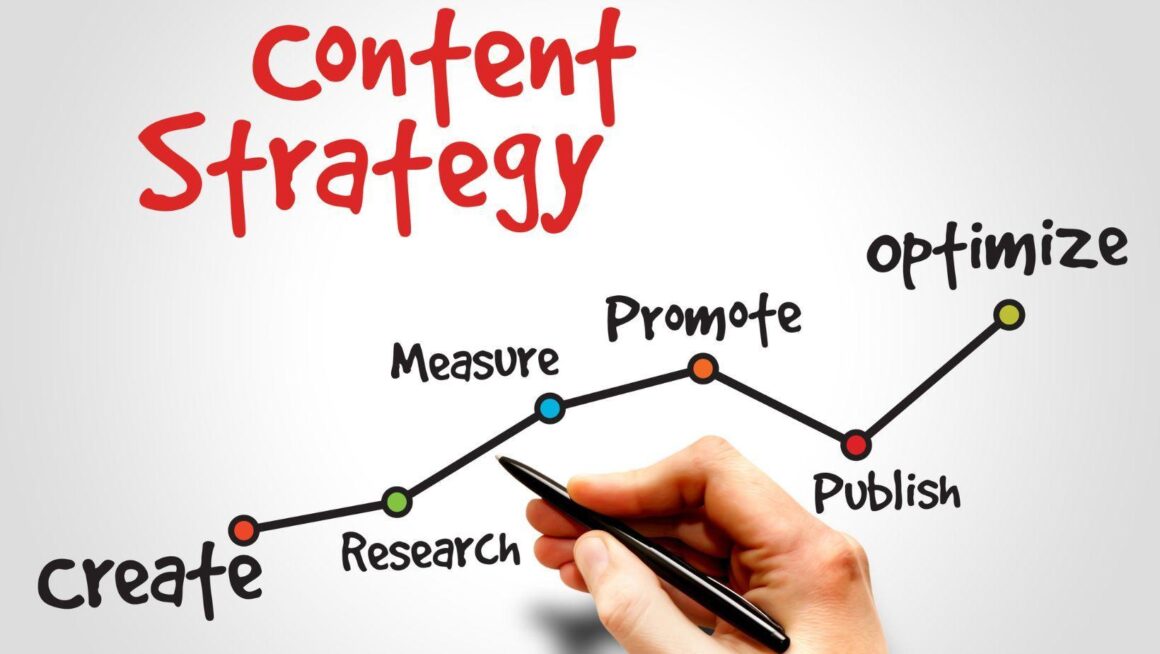
The rules of digital publishing have changed dramatically over the past eighteen months. Audiences now demand hyper-relevant content shaped to their specific needs, delivered at the right time and through the right channel. Generic blog posts that have been stuffed with keywords, relying on outdated tactics that once drove traffic through sheer repetition and search engine manipulation, no longer move the needle in an environment where audiences demand substance, originality, and genuine value from every piece of content they encounter. Search engines reward depth, originality, and real expertise, while social platforms favor short-form video and interactive formats that drive genuine conversation. For brands, freelancers, and media companies, the real question now is how to produce the right content. This guide breaks down the specific tactics, tools, and structural decisions that, when applied with consistency and strategic intent, clearly separate high-performing publishers from the rest of the field in 2026, offering actionable insight for anyone who wants to produce content that genuinely resonates.
Why Most Content Strategies Will Fail by 2026
Outdated Playbooks and Thin Authority
Many teams still rely on a volume-first publishing strategy, churning out dozens of shallow and poorly researched articles every week in the hope that at least something will eventually rank well in search results. Google’s helpful content updates, which rolled out at multiple points throughout 2025, penalized exactly this volume-first approach by downranking pages that failed to offer genuine depth or original expertise. Pages that lack first-hand insight or original data now struggle to appear on the first page at all, since the algorithm actively demotes content that fails to offer readers any genuinely unique or experience-based value. Thin authority signals, such as anonymous bylines and recycled statistics, trigger algorithmic distrust. Brands that fail to demonstrate genuine subject-matter knowledge through original research, first-hand experience, or credible expert perspectives find that their visibility in search results keeps shrinking quarter after quarter, as algorithms increasingly reward depth and penalize superficial content.
Ignoring Multichannel Distribution
Another common pitfall is treating a website as the sole destination. Audiences in 2026 discover content through podcasts, newsletters, short video reels, and AI-powered answer engines. A strategy that only focuses on blog SEO misses at least half the discovery surface. Additionally, many publishers underestimate the importance of a memorable web address when building cross-channel recognition. Choosing distinctive domain names that align with your niche makes it far easier for listeners, viewers, and readers to find you after encountering your brand on another platform. Teams that skip multichannel planning often wonder why traffic plateaus despite consistent publishing.
Five Proven Tactics That Define Winning Content in 2026
From Topic Clusters to Experience Clusters
Traditional topic clusters group articles around a pillar page. The 2026 evolution goes further by incorporating different media types into each cluster. A pillar page on sustainable architecture, for example, now links to a detailed case study video, an interactive cost calculator, a downloadable checklist, and a podcast interview with a certified architect. This experience cluster approach satisfies varied learning preferences and signals depth to search algorithms. If you want to understand how to plan, create, and distribute this kind of interconnected material, our guide on managing the full content lifecycle from planning to publication walks you through the process step by step.
These five tactics drive a strong publishing plan this year.
- First-party research: Conduct original surveys or data analyses that competitors cannot replicate, naturally attracting backlinks and shares.
- Expert-led video content: Feature real practitioners in short clips under three minutes for LinkedIn and YouTube Shorts.
- Interactive tools and templates: Calculators, quizzes, and editable frameworks boost engagement and generate qualified leads.
- Community-driven storytelling: Invite audiences to share testimonials and user-generated content, building trust through authentic voices.
- Programmatic personalization: Serve different content variants based on visitor intent, location, or browsing history.
Choosing the Right Domain Name to Anchor Your Content Hub
Your web address functions as the front door to every piece of content you publish. A confusing or overly long URL undermines brand recall and erodes confidence before a visitor even clicks. Short, descriptive addresses that include a relevant keyword or a clear brand signal perform best. Consider registering country-specific extensions if you target regional audiences, and always secure common misspellings to protect traffic from leaking to competitors. A strong domain also matters greatly for email deliverability, since newsletters and other marketing communications that are sent from a trusted, well-established address tend to enjoy noticeably higher open rates, which in turn helps ensure that your carefully crafted messages actually reach and engage the intended audience. You should think of your domain as a valuable long-term brand asset that continues to shape public perception, rather than treating it as a one-time technical task that can be forgotten after initial setup.
How AI-Driven Personalization Changes Audience Engagement
AI now does far more than suggest related articles at a page’s bottom. In 2026, smart personalization engines, which have grown far more sophisticated than earlier recommendation systems, dynamically adjust headlines, images, call-to-action buttons, and even the order in which paragraphs appear on a page — all based on the detailed individual user profiles that these systems continuously build and refine over time. A returning visitor who previously read beginner guides sees intermediate content automatically, while a first-time visitor receives a welcoming overview. This detailed adaptation increases time on site, lowers bounce rates, and improves conversions without manual segmentation.
However, personalization only works when it rests on a solid strategic foundation. Harvard Business School’s resource on building an effective content strategy emphasizes the importance of aligning every piece of content with clearly defined business objectives before layering on technology. Without that alignment, even the most advanced AI tools produce noise rather than results. Marketers who invest in clear audience personas and documented content pillars first will extract far more value from personalization software than those who adopt tools without a plan.
Measuring Content Performance With Metrics That Actually Matter
Pageviews by themselves reveal almost nothing about whether your content produces real results. Sophisticated publishers in 2026, rather than relying on surface-level metrics, track a distinctly different set of indicators that more accurately reflect content performance and audience engagement. Engaged reading time, which specifically measures how long a user actively scrolls through and interacts with a given page rather than simply loading it and leaving, serves as a revealing metric that tells publishers whether their content genuinely holds the reader’s attention over a meaningful duration. Assisted conversions reveal which articles help drive a sale even when they are not the final touchpoint. Brand search volume, which should be tracked on a monthly basis, serves as a reliable indicator of whether your thought leadership efforts are actually succeeding in lifting overall awareness among your target audience. Share of voice in specific topic categories lets you benchmark against direct competitors instead of the whole internet.
To connect these dots, you need reliable tracking across every channel you publish on. Our detailed breakdown of the best social media trackers for measuring audience engagement explains which platforms and dashboards provide the clearest picture of how your audience interacts with your brand beyond your own website. Pairing web analytics with social listening data creates a feedback loop that informs smarter editorial decisions each month.
Turning Insight Into Action for the Months Ahead
Successful content creation in 2026 demands far more than mere talent with words, because the digital field has grown so competitive that writing skill alone cannot guarantee meaningful audience engagement or lasting visibility. It requires structural thinking that organizes content with clear purpose, cross-channel distribution that ensures your material reaches audiences wherever they are, genuine expertise grounded in real-world experience, and a willingness to measure what truly matters to your brand’s long-term growth. Begin by reviewing your existing content for depth and originality. Replace shallow posts with experience clusters that blend text, video, and interactive elements together. Invest in gathering and organizing first-party data, which serves as a unique asset that sets your brand apart from competitors who rely solely on third-party sources for their audience insights. Introduce personalization step by step, making sure each automation choice connects to a clearly documented goal. When you bring all of these elements together with consistent and ongoing measurement of your results, your publishing efforts will not only survive the inevitable algorithmic shifts but will actually thrive and grow stronger because of them.
Frequently Asked Questions
Which content creation mistakes kill audience engagement in 2026?
Publishing without understanding your audience’s emotional triggers leads to generic content that nobody shares. Failing to hook readers within the first 15 seconds causes immediate bounces, especially on mobile. The biggest mistake is creating content in isolation – successful creators actively engage with their community through comments, polls, and direct messages to understand what resonates.
How can small businesses compete with enterprise content budgets in 2026?
Focus on micro-niches where you can become the definitive expert rather than competing in broad categories. Partner with other small creators for content swaps and cross-promotion. Leverage free tools like Canva for graphics and repurpose one piece of long-form content into 5-7 different formats across platforms to maximize your investment.
What content metrics should I track to measure real ROI in 2026?
Move beyond vanity metrics like page views to track engagement depth, email signups, and direct traffic growth. Monitor comment quality, social shares with added commentary, and how often your content gets referenced by others. The most valuable metric is conversion to newsletter subscribers, as owned audiences provide sustainable business value regardless of algorithm changes.
What are the biggest budget mistakes when planning content strategy for 2026?
Most teams overspend on content creation tools while underfunding promotion and distribution. Smart budgeting allocates 60% to content production, 30% to paid amplification, and 10% to analytics tools. Many also waste money on expensive video equipment when smartphone cameras plus good lighting deliver professional results for most content formats.
How do I choose a memorable domain name for my content strategy in 2026?
Selecting the right web address requires balancing brand memorability with search discoverability. Focus on short, pronounceable names that reflect your content niche and avoid hyphens or numbers that confuse listeners when you mention your site on podcasts. IONOS offers comprehensive domain names with tools to check availability across multiple extensions and secure your digital identity.