
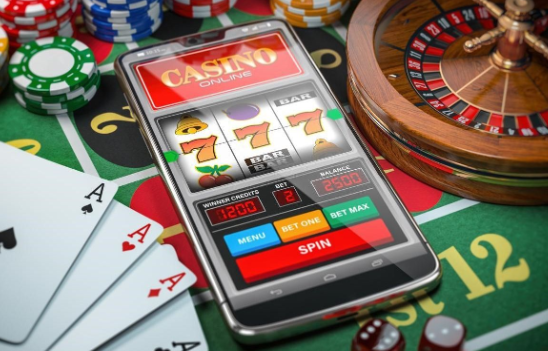
Online live casino used to be a novelty: a shaky webcam, a dealer in a small studio, and gameplay that felt like it was happening five seconds in the past. It worked, but barely. Now it’s closer to live TV with betting buttons. Cleaner streams, slicker interfaces, fewer awkward pauses, and a lot more variety than roulette-baccarat-blackjack on repeat.
Anyone curious what the modern version looks like can glance at tamasha live casino games online and immediately spot the difference: sharper presentation, faster navigation, and a general sense that the product is built for phones and short attention, not for desktop die-hards only.
The big shift: live casino stopped copying land-based casinos
Early live casino tried to recreate a physical casino as faithfully as possible. Same tables, same pacing, same everything. That was the pitch.
Now the evolution is moving in the opposite direction. Online live casino is becoming its own format, with its own rules and its own entertainment logic. Not everything needs to feel like Monte Carlo. A lot of players don’t even want that. They want quick action, clear UI, and a game that doesn’t punish them for checking a message mid-round.
So what changed?
Streaming tech got serious
A live casino game is basically a broadcast with interactive controls. If the broadcast is choppy, the whole thing feels untrustworthy, even when it’s fair.
What’s improved over the last few years:
Also, multi-camera setups are more common now. Not just one overhead shot. Players get angles that make sense: close-ups, wheel cams, card cams, wider table shots. It’s partly transparency, partly showmanship. Both help.
Mobile-first design changed the pacing
Live casino used to be built like a desktop product with a “mobile version” stapled on. Now mobile is the main screen. That changes everything: button sizes, table browsing, how stats are shown, even how long a round should take.
On mobile, live casino has to feel:
The best platforms design around interruption. Because interruption is normal. Someone calls, the battery dips, the train goes into a tunnel. A modern live casino experience can’t be fragile.
Game shows didn’t just join live casino. They reshaped it.
If classic live tables are the “poker room,” live game shows are the main stage.
That format keeps evolving because it’s built for online attention. Bright visuals, faster rounds, presenters who act like hosts (not silent dealers), and big-feeling bonus moments that are easy to understand in two seconds. No one needs to learn a complex strategy to enjoy it.
Business-wise, it’s genius too: game shows create highlight moments people actually talk about. “Did you see that multiplier?” has more social energy than “nice hand.”
More interaction, but not the cringe kind
Live casino is leaning into interactivity in ways that don’t feel forced:
The dealer role is evolving too. It’s not just dealing cards. It’s pacing, communication, and keeping things smooth when tech hiccups happen. Some studios train dealers more like presenters now, because that’s what the product needs.
UI overlays are doing heavy lifting
Most players don’t consciously notice the interface until it’s bad. Then it’s all they notice.
Modern live casino overlays tend to be cleaner and more useful:
The trend is toward less visual noise and more “do the thing” clarity. Which is funny, because casino UIs used to love clutter. Big banners, flashing promos, things sliding in from the side. That’s slowly fading on better platforms because it annoys people into leaving.
Side bets, jackpots, and bonus mechanics are everywhere
Classic table games are… classic. But online live casino is increasingly built around extra layers:
This is part evolution, part competition. Live casino isn’t competing only with other casinos. It’s competing with streaming, social, and mobile games. Extra mechanics keep it from feeling flat.
There’s a catch, though. More features can also mean more confusion. The platforms doing this well keep the add-ons optional and clearly explained, not shoved into the user’s face like homework.
Localization is no longer optional
Live casino is global, and the “one-size-fits-all” approach looks dated now.
Evolution here is practical:
Even table limits get localized. What feels like an “entry level” bet in one country might feel ridiculous in another. Platforms chasing growth have learned this the hard way.
Fairness and transparency are becoming part of the product design
Live casino always had a built-in trust advantage: you can see the wheel spin, the cards dealt, the ball drop. But players still want proof, not vibes.
So the product is evolving to make trust visible:
Even small details matter. A stream that’s sharp and stable feels more legitimate than one that’s grainy and jittery. That’s not logic, it’s human psychology. Platforms ignore it at their own risk.
Payments got smoother, and that affects behavior
When payments are part of the experience, smoother deposit and withdrawal flows change how often people return. If a platform makes transactions feel modern and straightforward, players treat it like a normal app. If it feels sketchy or confusing, trust collapses fast.
The evolution is toward:
Nobody wants to feel like they’re taking a detour through a shady form. Especially not in 2026.
Responsible play features are becoming harder to ignore
Here’s the less glamorous side of evolution: live casino products are getting better at guardrails. Not because it’s trendy, but because regulators push it and players increasingly expect it.
Useful features include:
A platform doesn’t need to moralize. It just needs to make control available. Live casino is immersive by nature. The responsible approach is to design with that reality, not pretend it doesn’t exist.
Where it’s heading next
A few near-future directions are already pretty clear:
And maybe the biggest evolution of all: live casino is becoming less about simulating a building and more about delivering entertainment that fits real life. Short sessions. Mobile convenience. Stream-quality expectations borrowed from TikTok and YouTube Live. Faster decisions, clearer visuals, fewer obstacles.
That’s the direction. Live casino isn’t trying to be the internet version of a casino anymore. It’s trying to be good internet entertainment that happens to involve casino games. Big difference.